



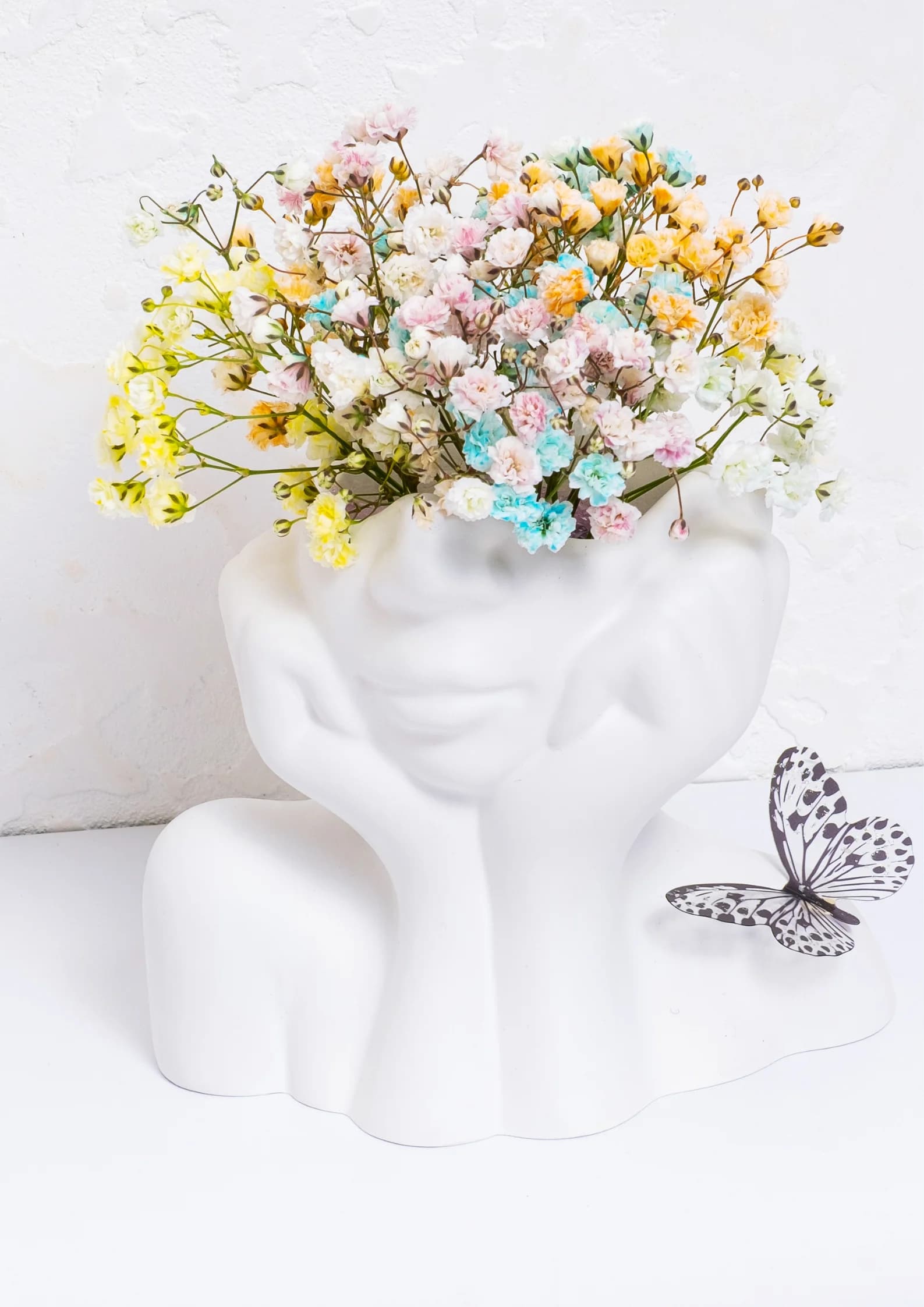






Have you ever felt a wave of sadness hit you harder than the realization that you ate the last slice of pizza without remembering it? 🍕😭 Or maybe you’ve been blindsided by shame or fear that seems to pop up out of nowhere, like an emotional ambush ninja. 🥷💔
These overwhelming feelings are often linked to Exiles in Internal Family Systems (IFS) therapy. Exiles are your mind’s deeply hidden, wounded parts—like emotional time capsules filled with pain, fear, and unresolved burdens. 🕰️💣 They may seem fragile, but they’re just parts of you trying to cope with the unprocessed hurts of the past.
While Exiles can be tough to face, they also hold the keys to healing, creativity, and joy—like little treasure chests you forgot you buried. 🌟✨ Let’s explore:
- What Exiles are in the IFS framework
- How Exiles develop
- How Protectors keep Exiles hidden
- How to approach and heal Exiles with compassion
Remember, you’re not alone in this journey. Every human has Exiles—they’re just waiting for your care and attention. 🕊️💖
What Are Exiles in Internal Family Systems (IFS)? 🧩💔
In IFS, Exiles are the Parts of you carrying emotional wounds like rejection, fear, or shame—basically the parts that just need a really big, warm hug. 🤗💔
Characteristics of Exiles:
- Vulnerability: Exiles often feel like younger, fragile versions of yourself. 👶🛡️
- Burdened Beliefs: They hold heavy thoughts like, “I’m unlovable,” or, “I’m broken.” 💭😞
- Intense Emotions: Expect a mixtape of sadness, shame, and fear—complete with no skip button. 😅🎶
- Frozen in Time: Exiles are stuck reliving past hurts like an emotional Groundhog Day. 🕰️🔄
While Exiles might seem like the "drama queens" of your internal system, they’re actually just holding onto pain you couldn’t process at the time. Underneath that pain? Beautiful qualities like creativity, playfulness, and sensitivity waiting to shine again. 🌈✨
How Do Exiles Develop? The Role of Painful Experiences 🧬⏳
Exiles form as a response to emotional wounds or traumatic experiences. Picture your mind as a giant office where someone decided to put all the unsolved problems into a "Do Not Disturb" file cabinet. 🗄️🔒
Common Origins of Exiles:
- Criticism or Rejection: A child being told, “You’re not good enough.” 😔🗣️
- Abandonment: Feeling left out, unwanted, or invisible. 🥺👻
- Trauma: Experiencing abuse or neglect. ⚠️💥
- Loss: Grieving a loved one or significant relationship. 💔🌪️
For instance, if you felt unloved as a child, an Exile might carry the belief, “I’m unworthy of love.” 🥀 Your mind, ever the protective manager, decides to lock that feeling away for safekeeping. Exiles are like that forgotten jar in the back of the fridge—except it’s not leftovers; it’s unresolved pain. 😅🕵️♂️
How Protectors Work to Keep Exiles Hidden 🛡️🤝
Protectors—those proactive, hardworking Parts of your system—are like the overzealous bouncers of your mind. They’ll do anything to keep Exiles out of sight and avoid emotional “meltdowns.” 🚧🛡️
Two Key Roles of Protectors:
- Managers: These Parts work proactively to avoid triggers. Imagine a Perfectionist Manager running around making sure everything’s “just right” so your Exile’s shame doesn’t bubble up. 📝🔧
Example: The Manager might say, “Let’s work twice as hard so no one criticizes us.” (And definitely no time for naps. 😴❌) - Firefighters: These Parts swoop in reactively when an Exile gets triggered, like throwing water on an emotional fire—even if it floods the basement. 🚒💦
Example: The Firefighter says, “Feeling sad? Here’s an entire season of your favorite show and a tub of ice cream. That’ll fix it!” 📺🍨
Protectors mean well, but their strategies can leave you feeling stuck in patterns of overwork, avoidance, or numbing. 😕🔄
Why Healing Exiles Is Essential for Inner Harmony 🌿🕊️
Unburdening Exiles isn’t about “fixing” them—it’s about freeing them from the emotional weights they’ve carried for so long. Imagine handing over a 20-pound backpack you didn’t realize you were wearing. 🎒🙌
What Happens When You Heal an Exile?
- The Pain Diminishes: Once heard and loved, Exiles can release their burdens. 💖✨
- Your System Balances: Protectors can relax—finally, a day off! ☀️😌
- Gifts Are Restored: Exiles reconnect with their natural qualities, like joy, creativity, and compassion. 🎨💖
How to Approach and Heal Your Exiles in IFS 💛✨
- Identify the Exile: Notice moments of intense emotions. Ask, "What part of me feels this way?"
- Build Trust with Protectors: Protectors often hesitate. Reassure them: "I won't rush this."
- Connect with the Exile: Approach with compassion. Ask: "What are you feeling?"
- Unburden the Exile: Visualize the Exile releasing its pain, washing it away. 🌊✨
- Celebrate and Reintegrate: Welcome the Exile back into your system with its natural gifts restored. 🎉✨
FAQ
What are Exiles in the Internal Family Systems (IFS) framework?
In IFS, Exiles are parts of your psyche that carry intense, often painful emotions from past traumas or hurtful experiences. They are typically vulnerable, burdened with negative beliefs, and carry emotions like sadness, shame, and fear.
How do Exiles develop?
Exiles develop as a response to emotional wounds or traumatic experiences, such as criticism, rejection, abandonment, trauma, or significant loss. They represent parts of the self that have been hurt and then isolated to protect the individual from pain.
What roles do Protectors play in relation to Exiles?
Protectors in IFS are parts that manage and respond to emotional threats to keep Exiles hidden. They include Managers, who proactively prevent triggers, and Firefighters, who reactively handle emotional flare-ups to keep Exiles from becoming conscious.
Why is it essential to heal Exiles?
Healing Exiles is crucial because it allows these parts to release their burdens and reintegrate into the self, leading to greater inner harmony, balance, and the restoration of positive qualities like joy, creativity, and compassion.
Can anyone use IFS therapy, and how can I learn more about it?
IFS is suitable for anyone interested in self-exploration and healing emotional wounds. Learning more can be achieved through workshops, courses, and resources like the IFS Guide App, which provides tools and guidance for practicing IFS.
Are there any digital tools to support my IFS practice?
Yes, the IFS Guide App is specifically designed to support your IFS practice by offering guided prompts, interactive parts mapping, and reminders to engage with your parts in a structured way.
Want to go deeper?
Subscribe to our newsletter for the latest IFS challenges, workshops, and wellness news.
By clicking 'Subscribe', you agree to our Privacy Policy and consent to receive emails and updates according to your subscription preferences. You can unsubscribe at any time.