








Last updated July 28, 2026
Reviewed by Sasha Eslami, Level 3 IFS Practitioner · July 28, 2026
Somatic IFS Therapy: Combining Body-Focused Therapies with IFS to Address Trauma
Trauma isn't just psychological—it lives in the nervous system. While Internal Family Systems (IFS) is incredible for understanding your inner Parts, it often needs a physical component to release stored trauma. This guide explores how somatic IFS therapy and body-based approaches complement each other, offering step-by-step techniques to help you release chronic tension and heal from the inside out.

Healing Trauma from the Inside Out
Trauma is not just a psychological experience—it lives in the body as well. While many traditional talk therapies focus on cognitive processing, trauma recovery requires a deeper, body-based approach. (Picture it like giving your entire nervous system a friendly handshake rather than just talking about feelings!)
To build a solid foundation, you can read our guide on IFS basics.
Internal Family Systems (IFS) therapy provides an incredible framework for working with the mind’s inner Parts, but when combined with body-focused therapies, it creates a holistic healing approach that helps release trauma stored in the nervous system.
What This Article Covers:
✅ How trauma is stored in the body
✅ Why IFS alone may not be enough for deep trauma healing
✅ How body-based therapies complement IFS
✅ Techniques for integrating IFS with somatic approaches
✅ Real-world case studies of combined IFS and body-based trauma healing
By the end, you’ll understand why combining IFS with body-based therapies is so powerful—and how you can apply these methods in your healing journey.
How Trauma Gets Stored in the Body
The Body Remembers
Trauma doesn’t just affect the mind—it gets imprinted on the body. When we experience trauma, our nervous system reacts in one of three ways:
1️⃣ Fight – Defend yourself (e.g., anger, defensiveness).
2️⃣ Flight – Escape the situation (e.g., running, avoidance).
3️⃣ Freeze/Fawn – Shut down or comply for safety.
If the trauma is unresolved, the nervous system stays stuck in these survival responses, leading to chronic tension, anxiety, and emotional dysregulation.
Symptoms of Trauma Stored in the Body
- Chronic muscle tension or pain
- Feeling “stuck” in emotions or thought patterns
- Anxiety, panic, or hypervigilance
- Numbness or dissociation
- Unexplained fatigue or digestive issues
Key Insight: Trauma is not just a memory—it’s a physiological response that needs to be discharged from the body. (Like letting your body exhale a big “phew!” it’s been holding in.)

Why IFS Alone May Not Be Enough for Trauma Healing
IFS: A Powerful but Incomplete Tool
Internal Family Systems (IFS) is a revolutionary therapy model that helps clients understand and heal their inner Parts.
IFS helps with trauma by:
✔️ Identifying Exiles (wounded Parts carrying trauma).
✔️ Building trust with Protectors (Parts that prevent painful memories from surfacing).
✔️ Helping Parts unburden traumatic memories.
What are EXILES in IFS?
The Missing Piece: The Body
However, IFS alone doesn’t fully address trauma stored in the nervous system. While IFS helps us recognize which Parts carry trauma, it does not inherently include somatic (body-based) techniques that are often needed for full resolution.
How Body-Based Therapies Complement Somatic IFS Therapy
By integrating IFS with body-focused therapies, we can release trauma not just from the mind, but from the body as well—kind of like giving both mind and muscles permission to breathe out a big sigh of relief.
Top Body-Based Approaches That Work Well with IFS
1. Somatic Experiencing (SE)
Developed by Dr. Peter Levine, SE focuses on nervous system regulation and helps release trauma through body awareness and movement.
- SE techniques help track body sensations and gently discharge stored trauma without overwhelming the system.
🔹 How SE Complements IFS:
✔️ Helps Parts release trauma physically through micro-movements.
✔️ Reduces emotional flooding when working with Exiles.
2. Sensorimotor Psychotherapy
A body-focused therapy developed by Dr. Pat Ogden, it works with posture, movement, and nervous system regulation.
- It helps clients notice how their body expresses emotions and guides them to complete self-protective responses that were interrupted during trauma.
🔹 How Sensorimotor Complements IFS:
✔️ Helps Exiles express suppressed emotions through movement.
✔️ Encourages Protectors to relax through posture and grounding exercises.
3. Polyvagal Theory and Vagus Nerve Stimulation
Developed by Dr. Stephen Porges, this approach helps regulate the autonomic nervous system by activating the vagus nerve, which controls relaxation and social engagement.
🔹 How Polyvagal Work Complements IFS:
✔️ Helps clients stay present and grounded when connecting with Parts.
✔️ Teaches Firefighters (Parts that use avoidance or numbing) to self-soothe without destructive behaviors.
4. Breathwork and IFS
Breathwork techniques (e.g., diaphragmatic breathing, box breathing) help regulate emotions and nervous system responses.
- By using breathwork, we can calm Protectors before working with Exiles.
🔹 How Breathwork Complements IFS:
✔️ Helps Parts relax before deep inner work.
✔️ Supports the unburdening process by allowing trauma energy to release naturally.
Techniques for Integrating IFS with Body-Based Approaches
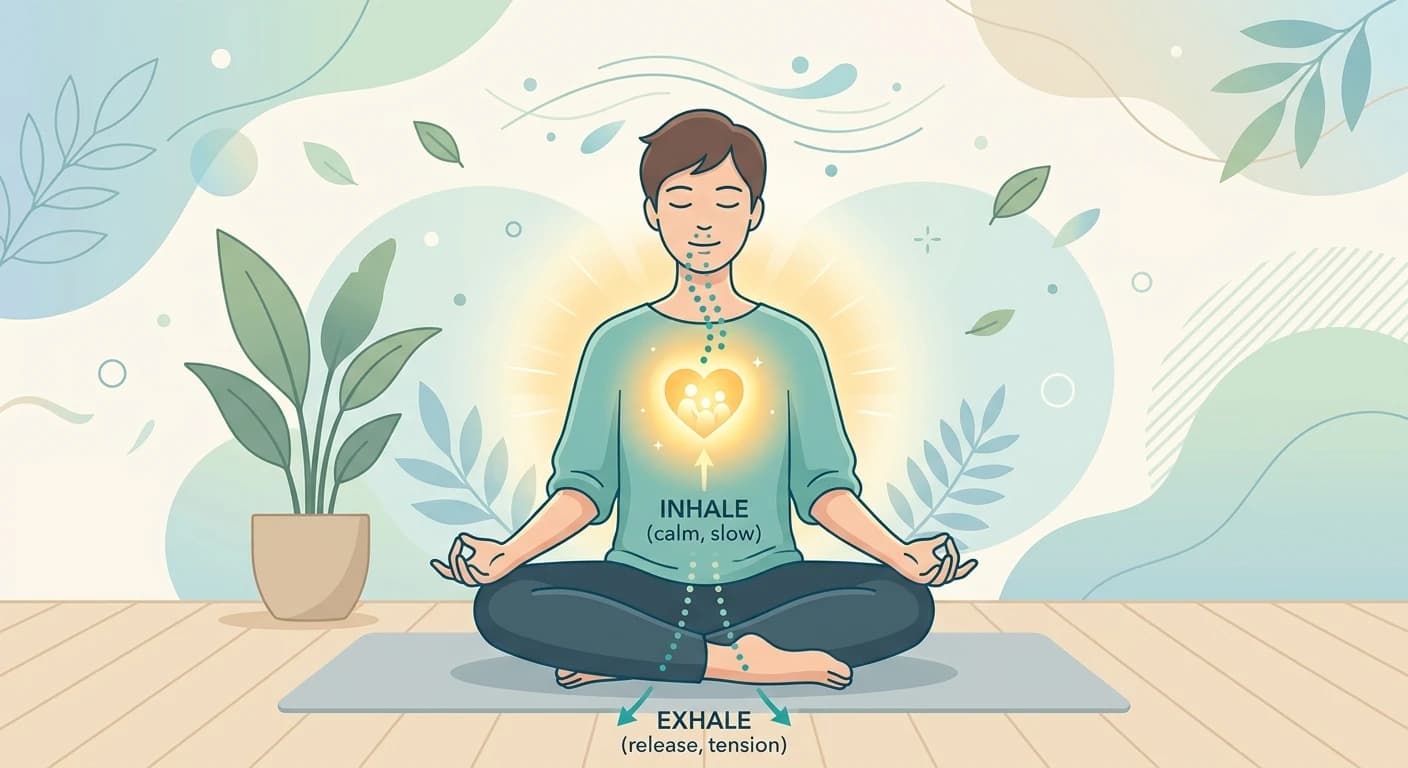
1. Tracking Parts in the Body 🔍
Instead of just talking to Parts, notice where they live in the body. (After all, some managers prefer the shoulders, while others hide in the belly!)
Exercise:
1️⃣ Close your eyes and tune into a distressed Part.
2️⃣ Notice where you feel it physically—tightness in the chest, pressure in the stomach, tension in the shoulders?
3️⃣ Ask the Part: “If you could move, what would you do?”
4️⃣ Allow small movements or stretches to help the Part release tension.
Mini-Dialogue Example:
You: "I notice a tightness in my chest. What do you want me to know?"
Part: "I'm bracing for impact. I have to stay tight to keep us safe."
You: "I hear you. Is it okay if we just take one deep breath together to give you a little space?"
2. Pendulation: Moving Between Trauma and Safety 🌊
Pendulation (from Somatic Experiencing) is a technique to prevent overwhelm when working with trauma.
Exercise:
1️⃣ Before working with an Exile, focus on a safe, calming memory or a grounded part of your body (like your feet on the floor).
2️⃣ Slowly shift your attention to the Exile.
3️⃣ If emotions become overwhelming, return to the calming anchor.
4️⃣ Repeat until the Exile can be safely unburdened.
Common Mistake: Forcing yourself to stay with the overwhelming emotion too long. Pendulation is about dipping your toe in the trauma and returning to safety, not diving into the deep end all at once.
This helps the nervous system integrate healing without turning into an emotional tidal wave.
3. Using Breath to Support IFS Work
Breathwork helps create safety and space for IFS work, especially with Firefighters.
Exercise:
1️⃣ When a Firefighter urges you toward avoidance behavior, pause.
2️⃣ Take three deep belly breaths, lengthening the exhale.
3️⃣ Ask: “What are you protecting me from?”
This often creates space for deeper exploration without suppression. (It’s like politely asking the Firefighter to put down its fire hose for a moment.)
Read more about the role of Firefighters and Protectors in IFS.

Case Study: Healing Trauma Through IFS and Somatic Work
- Client: Jake, a 35-year-old combat veteran.
- Symptoms: Chronic anxiety, insomnia, panic attacks.
- IFS Insight: A strong Manager (hyper-vigilance) kept Exiles locked away.
- Somatic Integration: He used breathwork and movement-based techniques to regulate before engaging with his Parts.
Outcome:
As Jake learned to regulate his nervous system, his Managers allowed access to his Exiles, leading to deep trauma healing. (He described it as finally letting himself exhale a breath he’d been holding for years.)
If you find yourself struggling with states of collapse, numbness, or dissociation during somatic work, you might benefit from our recorded workshop. Watch the IFS for Freeze, Numbing, & Dissociation on-demand workshop, led by Sasha Eslami, to learn self-paced techniques for gently re-engaging with your body and parts.
Enhance Your IFS Journey with the IFS Guide App
The IFS Guide App offers 24/7 AI-guided IFS Sessions, Daily Check-Ins, adaptive Self-Healing Meditations, and Parts Mapping to visualize your Parts’ relationships. Additionally, you can join the In-App Community, explore guided Trailheads, set Reminders, and Track Parts to support your team’s shift toward Self-led leadership in real time.
You can download the IFS Guide App to start your somatic self-healing journey today.
Conclusion: The Future of Trauma Healing with IFS and Body Work
IFS is revolutionary in understanding trauma from a Parts perspective, but when combined with body-focused therapies, it becomes an even more powerful healing tool—like peanut butter and jelly for the psyche.
Final Takeaways:
- Trauma is stored in the body, and talk therapy alone may not fully resolve it.
- IFS and body-based therapies work beautifully together to heal both the mind and nervous system.
- Practical techniques, such as breathwork, movement, and nervous system regulation, make IFS even more effective.
Are you ready to explore IFS with body-focused healing? Try the exercises above and see how they deepen your self-awareness and emotional resilience!
Frequently Asked Questions
Yes, gentle practices like breathwork and tracking Parts in your body can be done independently. However, for deep trauma or severe dissociation, it's best to work with a trained IFS and somatic therapist.
That's completely normal! Sometimes a Protector numbs physical sensations to keep you safe. Start by simply noticing the numbness or blankness, and ask that Part what it needs you to know.
While meditation often focuses on clearing the mind or observing thoughts, somatic IFS actively engages with your inner Parts, using body awareness to help them release stored trauma and burdens.
It depends on your needs. Somatic Experiencing is great for discharging trauma energy, while Sensorimotor Psychotherapy focuses on movement and posture. Breathwork is a highly accessible starting point for most people.
I
Written by
IFS Guide Editorial Team

Reviewed by
Sasha Eslami
Level 3 IFS Practitioner