









Last updated August 5, 2026
Reviewed by Sasha Eslami, Level 3 IFS Practitioner · August 5, 2026
IFS for Generational and Cultural Trauma
IFS for Generational and Cultural Trauma: Healing the Wounds of the Past
Who this is for: Anyone feeling weighed down by inherited family patterns, cultural burdens, or ancestral pain they can't quite explain.
The problem & promise: You might feel like you're carrying emotional baggage you didn't pack, shaping your reactions without your consent. By the end of this guide, you'll understand how these inherited wounds show up in your daily life and learn how IFS for generational and cultural trauma can help you release them, leaving you feeling lighter and more connected to your true Self.
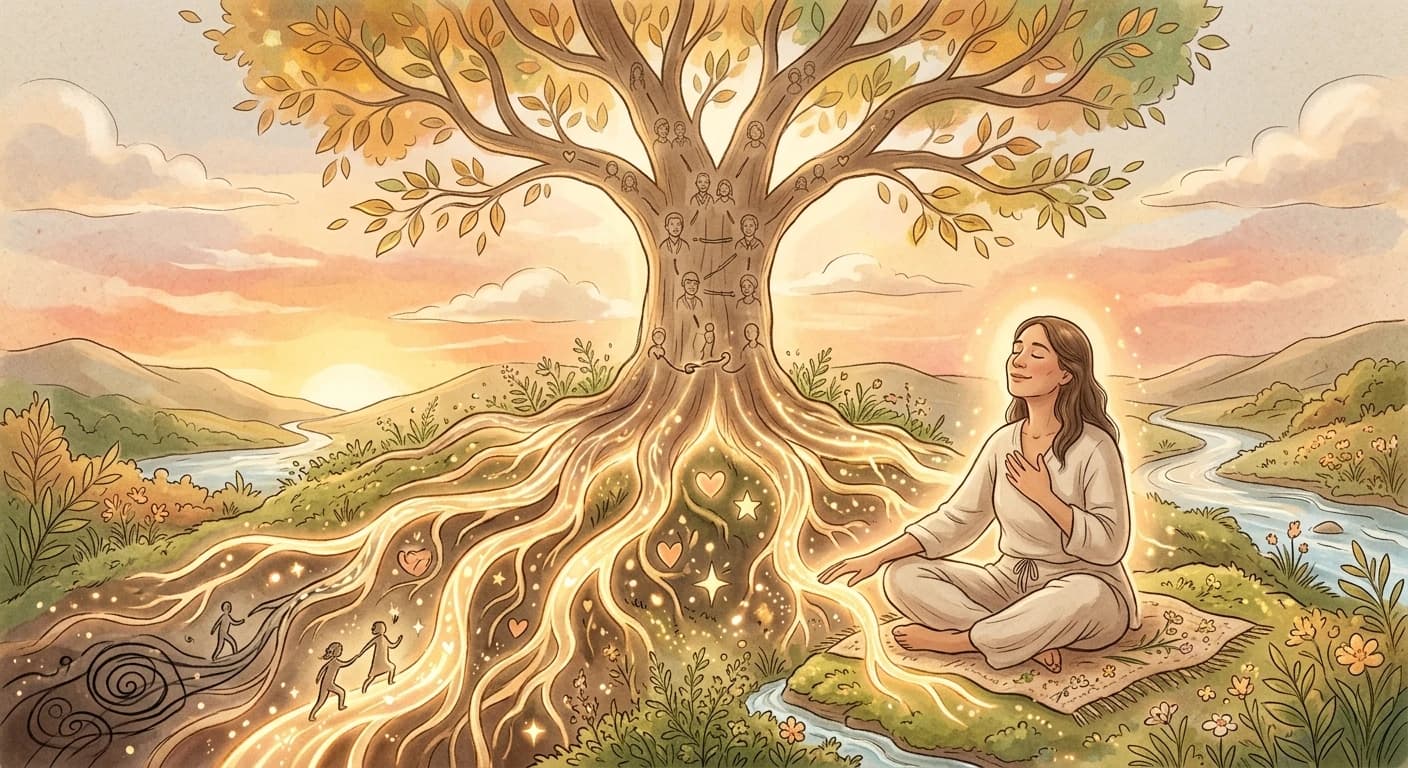
The Inherited Burden of Generational and Cultural Trauma
Generational and cultural trauma can feel like carrying baggage you didn't pack, shaping emotions and behaviors without your consent. Internal Family Systems (IFS) therapy offers a compassionate approach to unpacking these inherited struggles, helping you heal old wounds and create a new path forward.
Understanding Generational and Cultural Trauma
Generational and cultural trauma isn’t just about personal pain; it’s an emotional ripple effect from past events or shared cultural experiences. This kind of trauma doesn’t just live in memories—it can shape thoughts, behaviors, and even physical health.
What is Generational Trauma?
Generational trauma refers to unresolved emotional wounds passed down from one generation to the next. Examples include:
- A family history of abuse or addiction.
- Persistent patterns of shame or fear tied to ancestral experiences.
- The “keep your head down” mentality from communities oppressed for generations.
What is Cultural Trauma?
Cultural trauma occurs when collective groups experience events that threaten their identity or survival. Examples include:
- The effects of colonization, slavery, or forced migration.
- Systemic racism, discrimination, or erasure of cultural traditions.
- Cultural assimilation pressures that strip away unique identities.

How Trauma Gets Passed Down
Trauma doesn’t simply disappear when the original event ends. Instead, it gets “stored” in family systems or cultural narratives. Here’s how:
Behavioral Patterns
Families often unknowingly pass down coping mechanisms like hypervigilance, perfectionism, or emotional avoidance. It’s like inheriting a quirky family trait—only these quirks come with emotional baggage.
Epigenetics
Research shows that trauma can alter gene expression, meaning that stress responses get biologically encoded and passed to future generations. So, yes, even your DNA might have a say in your emotional playlist!
Cultural Conditioning
Societal norms can reinforce trauma, like stigmas around mental health or pressures to assimilate, perpetuating cycles of pain. It’s like being stuck in a cultural Groundhog Day—reliving the same emotional challenges over and over.
Trauma: the family heirloom no one wants, but everyone seems to inherit.
How IFS Therapy Addresses Generational and Cultural Trauma
IFS therapy approaches trauma by working with the inner Parts of your mind, each with its own role, emotions, and motivations. These Parts often reflect generational or cultural pain, even when you aren’t consciously aware of it.
The Role of Protectors in Trauma
Protectors are like your inner bodyguards, stepping in to shield you from the pain of inherited wounds. Common examples include:
- The Perfectionist Part: “If we’re perfect, no one will criticize us.”
- The Avoider Part: “Let’s bury these feelings so we don’t get hurt again.”
- The Overachiever Part: “Success will make us safe and respected.”
While these Protectors have good intentions, their extreme behaviors can make healing difficult. Think of them as that overly cautious friend who always wants to double-check if you locked the door—sometimes a bit too much!
What are Protectors in IFS?
Connecting with Exiles to Heal the Past
Exiles are vulnerable Parts that carry the raw emotional wounds of trauma. These might include:
- A Part that feels unworthy due to ancestral shame.
- A Part carrying fear passed down from generations of oppression.
By helping these Exiles release their pain, IFS allows the system to find balance and harmony. It’s like giving your Exiles a chance to step into the sunshine after a long winter.
What are EXILES in IFS?
The IFS Process for Generational Healing
Healing generational and cultural trauma with IFS involves several steps:
1. Identifying the Source of the Pain
IFS encourages you to locate the Parts connected to inherited trauma. Ask yourself:
- “What emotions or fears feel larger than me?”
- “Are there family or cultural patterns that keep repeating in my life?”
Example: A constant sense of needing to prove yourself at work might stem from an inherited fear of being judged or devalued.
2. Building Relationships with Parts
Rather than ignoring or silencing these Parts, IFS teaches you to approach them with curiosity and compassion. It’s like befriending that grumpy neighbor who secretly has a heart of gold.
Questions to explore:
- “What are you protecting me from?”
- “What memories or fears are you carrying for my family or culture?”
This step fosters trust and opens the door for healing.
Example Dialogue:
You: "What are you afraid will happen if you stop working so hard?"
Part: "If I stop, we'll lose everything, just like our grandparents did."
You: "I hear how scared you are. I'm here now, and we are safe."
3. Unburdening Emotional Wounds
Once you understand a Part’s role, you can help it release its burdens. Imagine a Part saying, “Oh, I can finally stop carrying this fear? Thank goodness!” It’s like decluttering your emotional attic—finally freeing up space!
4. Embracing Self-Leadership
The goal of IFS is to connect with your Self—the calm, compassionate core of your being. When Self leads, your inner Parts can relax, creating space for new patterns and perspectives to emerge.
What is SELF in IFS?
- Rushing the process: Trying to unburden a Part before building sufficient trust.
- Blaming the Part: Getting frustrated with a Protector instead of understanding its positive intent.
- Doing it alone: Generational trauma is heavy; don't hesitate to seek an IFS therapist or supportive community.
Common Mistakes to Avoid
Practical IFS Strategies for Generational and Cultural Healing
Ready to start healing those inherited wounds? Here are some IFS-inspired strategies to help you on your journey:
1. Visualization Exercises
Picture your ancestors standing behind you, offering support. Let your Parts know they’re not alone and don’t have to carry ancestral pain anymore. It’s like having a family reunion where everyone actually gets along!
2. Journaling Your Parts’ Stories
Write from the perspective of a Part connected to generational trauma. What does it feel? What does it fear? What does it need? This is your chance to let your Parts spill the tea—no judgment, just understanding.
3. Using the 6 F’s Process
Follow these steps to deepen your understanding of a Part:
- Find the Part connected to the trauma.
- Focus on its thoughts, feelings, and memories.
- Flesh Out its story and role.
- Feel Toward it with compassion.
- Befriend it to build trust.
- Address its Fears and help it relax.
4. Create Rituals for Release
Symbolically release trauma by writing letters to your ancestors or performing cultural ceremonies. It’s like sending emotional postcards to your past, helping you let go and move forward.
Healing in Community: Breaking the Cycle Together
Cultural trauma often requires collective healing. Join communities or workshops that focus on shared experiences, resilience, and reclaiming identity. It’s like finding your tribe where everyone’s on the same healing journey—no solitary quests here!
For deeper exploration:
Check out our Upcoming Events or watch our video lesson on Traumatic Responses.
The Science of IFS and Trauma Healing
IFS is supported by research showing its effectiveness in treating trauma. Key findings include:
- Studies from the Journal of Traumatic Stress reveal that IFS reduces symptoms of PTSD and anxiety.
- Neuroimaging research highlights IFS’s ability to calm overactive areas of the brain associated with stress.
By addressing the root causes of trauma, IFS promotes sustainable, long-term change. It’s like planting seeds for a forest of healing that grows stronger every day.

The IFS Tools You Need for Healing
1. IFS for Generational and Cultural Trauma Workshop
This comprehensive recorded workshop, led by Sasha Eslami, guides you through the process of identifying, connecting with, and unburdening Parts tied to generational and cultural pain at your own pace.
👉 Watch the on-demand IFS for Generational and Cultural Trauma workshop
2. The IFS Guide App
Stay on track with your healing journey using the IFS Guide App, which offers:
- Guided meditations to calm anxious Parts.
- Tools for journaling and tracking inner dialogues.
- Resources for connecting with your inner system. 👉 DOWNLOAD IFS GUIDE APP HERE
Frequently Asked Questions
Yes. IFS focuses on how the trauma manifests in your Parts today, not just the historical facts. Your internal system holds the emotional truth, which is what you'll work with.
Healing is a non-linear journey. Some Parts may unburden quickly, while others need time to build trust. Patience and consistent Self-leadership are key.
They often overlap, but cultural trauma specifically relates to collective experiences of a group (like systemic oppression), while generational trauma is passed down within a family line.
While you can start exploring your Parts independently, working with a trained IFS therapist is highly recommended for deep trauma to ensure you remain safely in Self.
Final Thoughts: Turning Generational Pain into Personal Power
Generational and cultural trauma may shape your past, but it doesn’t have to define your future. With Internal Family Systems (IFS) therapy, you can transform inherited wounds into opportunities for growth, connection, and resilience.
Ready to rewrite your story?
Your ancestors carried the torch to get you here. Now, it’s your turn to shine.
Happy healing on your path to inner harmony! Remember, your Self has all the right tools to guide you toward a more balanced and joyful life.
I
Written by
IFS Guide Editorial Team

Reviewed by
Sasha Eslami
Level 3 IFS Practitioner